

Sustainability Is Only as Strong as Its People
Sustainable Forest Management (SFM) is no longer defined solely by the presence of permits, management plans, or certification documents. Across the global forestry sector, sustainability is increasingly measured by how effectively policies are implemented on the ground. At the center of this reality lies one critical factor: competent forestry professionals.
Forests can only be managed sustainably when the people responsible for planning, monitoring, harvesting, and protecting them possess the right knowledge, skills, and ethical standards. Regulations provide direction, but it is human capacity that determines outcomes. This makes human resource development a foundational pillar of sustainable forestry.
In Indonesia, where forest landscapes are diverse and regulatory requirements continue to evolve, the role of well-trained forestry personnel has become more critical than ever.
The Evolving Landscape of Sustainable Forest Management
Sustainable Forest Management today integrates environmental protection, social responsibility, and economic viability. Governments, businesses, and communities are expected to demonstrate responsible forest use while meeting national regulations and international sustainability standards.
In Indonesia’s forestry sector, this evolution is reflected in:
- More complex regulatory frameworks
- Higher expectations for transparency and accountability
- Stronger emphasis on environmental and social safeguards
- Increased scrutiny from auditors, buyers, and stakeholders
While policies and standards continue to improve, their success depends largely on the ability of forestry professionals to interpret and apply them correctly in daily operations.
Implementation Gaps: Where Sustainability Often Fails
Despite the availability of regulations and technical guidelines, many forest management challenges occur during implementation. Common issues include:
- Inconsistent application of forestry standards
- Limited technical understanding of regulations and best practices
- Weak monitoring, documentation, and reporting systems
- Overreliance on a small number of experienced individuals
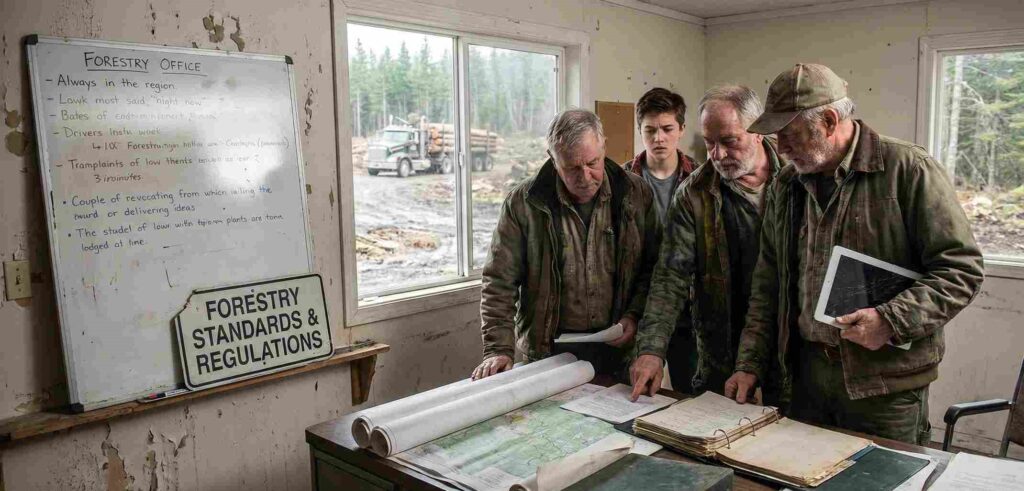
In many forest management units, knowledge is concentrated among a few key personnel. When these individuals are unavailable or leave the organization, operational quality often declines. This creates long-term risks for compliance, sustainability performance, and organizational continuity.
These challenges highlight the importance of structured, continuous capacity building rather than reliance on informal knowledge transfer.
Why Competent Forestry Professionals Matter
Forestry is a multidisciplinary field that combines ecology, legal compliance, operational planning, risk management, and stakeholder engagement. Competent forestry professionals are essential for ensuring that forest utilization remains productive without compromising environmental integrity.
Well-trained forestry personnel contribute directly to:
- Accurate and consistent implementation of forestry regulations
- Effective forest planning, monitoring, and evaluation
- Improved readiness for audits, certification, and verification processes
- Reduced operational, environmental, and reputational risks
- Stronger governance and decision-making at field and management levels
In the context of Sustainable Forest Management, competence is not merely technical ability. It also includes ethical awareness, documentation skills, risk assessment capability, and adaptive problem-solving.
Experience Alone Is Not Enough
While field experience is valuable, it is not sufficient on its own. Forestry regulations, sustainability standards, and market requirements continue to change. Without structured learning, even experienced personnel may apply outdated practices or misunderstand new obligations.
Competence in modern forestry requires:
- Systematic learning aligned with current regulations
- Understanding of national and international standards
- Practical application supported by case studies and field-based approaches
- Continuous updating of skills and knowledge
This is where forestry training programs play a strategic role.
Forestry Training as a Strategic Investment
Forestry training is not an operational cost. It is a long-term investment in sustainability and organizational resilience.
Effective training programs act as a bridge between regulatory requirements and real-world implementation. They help participants understand:
- What must be done under forestry regulations
- How standards should be applied in operational contexts
- Why certain practices are critical for sustainability outcomes
By strengthening both technical and governance capacities, training supports standardization of practices across organizations and management units.
Strengthening Forest Governance Through Capacity Building
Strong forest governance is built on knowledge, consistency, and accountability. Capacity development ensures that sustainability principles are not dependent on individuals, but embedded within organizational systems.
For forest management units, social forestry groups, and forestry-based businesses, structured training contributes to:
- Improved internal controls and documentation
- Better coordination between operational and management levels
- Stronger compliance culture
- Enhanced credibility with regulators, auditors, and stakeholders
In this context, forestry training becomes a key enabler of Sustainable Forest Management rather than a supporting activity.
The Role of Professional Forestry Training Institutions
Training institutions with deep technical expertise and alignment to recognized standards play an essential role in developing competent forestry professionals.
High-quality forestry training programs should be:
- Aligned with national regulations and international sustainability frameworks
- Practical and field-oriented, not purely theoretical
- Delivered by practitioners with real forestry experience
- Continuously updated to reflect regulatory and market changes
Through structured capacity-building initiatives, training institutions contribute directly to better forest governance and long-term sustainability outcomes.
Supporting Sustainable Forestry Through Competency Development
Mutu Institute has long been committed to strengthening forestry human resources through professional, standards-based training programs. Our forestry training programs are designed to support forest management units, companies, and community-based forestry initiatives in translating sustainability commitments into daily practice.
By focusing on practical implementation, regulatory understanding, and audit readiness, MUTU Institute helps forestry professionals:
- Improve compliance and operational consistency
- Reduce environmental and governance risks
- Strengthen organizational capacity and resilience
- Prepare for certification and verification processes
Our approach emphasizes soft yet strategic capacity development, ensuring that sustainability is implemented effectively on the ground.
Supporting Environmental and Social Impact
Beyond training, we also support sustainability through our NGO initiative, Carbon Nature. Carbon Nature focuses on environmental conservation, carbon initiatives, and nature-based solutions that complement sustainable forest management efforts.
Through Carbon Nature, we work alongside communities, organizations, and stakeholders to support:
- Environmental protection and ecosystem restoration
- Responsible land and forest management
- Long-term climate and sustainability goals
This integrated approach reflects our belief that competent people, strong governance, and environmental responsibility must work together.
Turning Sustainability Commitments into Reality
Sustainable Forest Management cannot succeed through policies alone. It requires people who understand, apply, and continuously improve forestry practices in real operational contexts.
Organizations that invest in forestry training and capacity building are better prepared to navigate regulatory changes, meet stakeholder expectations, and protect forest ecosystems for the long term.
By strengthening human resources, sustainability moves beyond policy statements and becomes an operational reality—implemented consistently, responsibly, and effectively on the ground.
If your organization is committed to advancing Sustainable Forest Management through stronger human capacity, Mutu Institute is ready to support your journey.
Explore our forestry training programs and learn how structured capacity development can strengthen compliance, governance, and sustainability performance.
For broader environmental initiatives and conservation partnerships, connect with Carbon Nature and become part of a collaborative effort to protect forests and nature for future generations..
Stay connected with us for more insights, updates, and sustainability knowledge. Follow our official channels:
Instagram: carbonature_
YouTube: CarbonNature
Facebook: Carbon Nature
Website: www.carbonnature.com
For training inquiries, partnership opportunities, or direct assistance, contact us at:
Email: info@carbonnature.com
Phone/WhatsApp: 0819-1880-0012
We’re here to support your journey toward stronger sustainability performance and real climate impact.